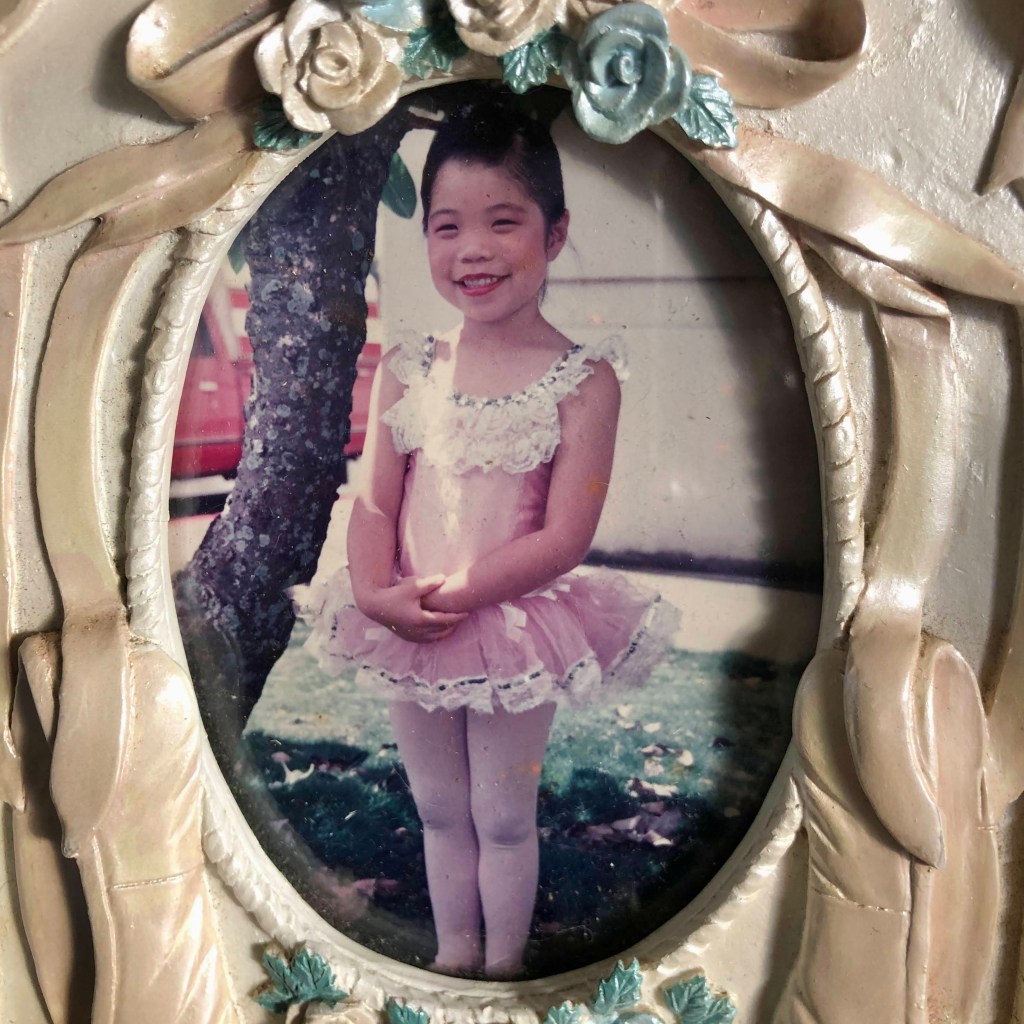
I don’t remember my first performance at all. I started ballet at four (and a half), so I was probably five. I took ballet rather seriously throughout elementary and intermediate school- two to three classes a week, and several productions a year.
When I was eleven, I began playing the flute in band. As my abilities and interest in music blossomed, my activities and performances shifted toward music. Though I didn’t realize it at the time, in retrospect, a lot of my success on the flute could be attributed my dance training.
By the time I got a flute in my hands, I already had 6 years of experience with music and rhythm, practice, preparation, and performing. As dancers, we were also explicitly trained in stage etiquette, which is something that musicians sometimes miss in their training.
Here are things I internalized about performing from ballet, engrained in me from a young age. When I started performing as a musician, I took this knowledge for granted.
1. You are performing as soon as you are in view of the audience.
A dancer’s performance begins as soon as you are visible in the wings of the stage, and does not finish until you have disappeared back into them. We are taught to maintain our facial expression, posture, and choreography until we are completely out of the audience’s view.
Some musicians seem to think that their performance is limited to the way they play their instruments, but it actually encompasses their entire time on stage. If you think no one is watching (or listening) as you noodle around on your instrument before the conductor enters the stage… you are mistaken. In fact, the way some concert halls are set up (such as our very own Dallas Symphony’s Meyerson Hall), any intermission noodling is clearly broadcasted throughout the bathrooms.
If there is no “offstage” because of the way a space is set up, I am aware that the audience may be observing how I look, move, and interact with others even before (and after) the show officially begins.
The style of stage presence depends on the performance situation- classical recital, festival gig, wedding, etc. If you are functioning as background music, it would be inappropriate to draw a lot of attention to yourself, as the focus of the event is elsewhere.
On the other hand, if you are walking out on a large stage with full production- it makes sense to turn the whole thing into a show. An entrance can add a lot of drama to a performance. A big star often creates a real moment here, adding suspense and excitement with timing, lights, and special effects.
2. Don’t turn your back to the audience.
Traditionally, in ballet, we rarely turn our backs to the audience. If we are facing sideways, our bodies are still angled towards the audience. Of course, the exception is if it is built into the choreography.
Awareness of the way we are facing is reinforced in regular ballet classes. Here we are taught that the proper way to switch from one side to the other is always towards the barre, never away from it.
This rule is less strict for a musician, but I have seen some rather unattractive moves on stage, especially from sound people. More than once I have seen someone bend over to adjust something on the floor with their rear up in the air, or… showing the audience something they didn’t want to see. If you must bend over, consider doing more of a squatting maneuver (with your front still facing the audience).
It’s not so much a matter of always “looking good” or being “smooth,” as it is demonstrating consideration and respect for the audience.
3. Make it effortless.
There are always moments that require our full focus, but overall, a performance should have a feeling of ease. The audience senses through body language and facial expressions if our primary emotional state is stress.
To be clear, I don’t believe you can fool the audience any more than you can fool yourself. You cannot simply tell yourself that something is easy, and expect your mind to believe a lie. That creates cognitive dissonance, which will manifest as anxiety.
Some nervous excitement is to be expected, but if your experience on stage is overwhelmingly negative, you may be underprepared, in a performance situation that is too challenging, or holding onto unrealistic expectations.
4. Don’t break character (the show must go on).
Once you are on stage, you are a performer. If something goes “wrong” (or not according to plan), the best reaction is no reaction. Gloss over it, pretend it didn’t happen, and move forward.
This can be a real challenge for less experienced performers. Yes, in rehearsal, it can sometimes be important to stop and address an issue, but never, never in performance.
With that in mind, it is essential to “practice performing” and become accustomed to moving forward despite imperfections. Anyway, there is much more to an engaging performance than perfection…
5. Great technique ≠ great performance.
There must always be a more meaningful, artistic goal than “don’t make a mistake.”
A performer simply avoiding mistakes will be cautious, and frankly, boring. The risks inherent in performing make it exciting.
The goal should be communicating something specific to the audience- creating a mood, an image, a feeling, or an experience. A great performer isn’t one that makes no mistakes. It’s a presence that’s so strong and convincing that you don’t notice or care about the mistakes.
6. A gesture need not be grand to make a statement.
Some of the most moving moments of a performance are stillness, or silence.
7. Even if you fall, do it in style.
In ballet, it is important to always “finish” at the end of a combination. This means you always hold your (lovely) finishing pose before relaxing.
I still recall a ballet classmate of mine doing an awesome “finish” during class one day. We were moving across the floor on pointe shoes, and she fell completely to the ground (those shoes are slippery!). Instead of pulling herself up and slinking off to the side, she raised up her head and arms and proudly “finished” right there on the floor.
That attitude is so important on stage. There are always things that don’t go according to plan, but you can still create something beautiful.

 Alyse Hokamp