
The musician’s catch 22: How do you book a gig before you’ve had a gig? How can you prove that your musical act is “real?”
Shift your thinking to a sales approach. Before you hold a product in your hands, how do you know you want to buy it?
Essentially, you buy into the packaging of the product. It looks good, the description tells you what it is going to do, and it serves your needs.
For a musical act, you can also create a package without having all the details sorted out. You don’t need to rehearse or even choose your band members, let alone learn a whole set of music.
To get the attention of booking agents or event coordinators, convince them:
1) you are legitimate
2) you are competent
3) you fit their needs
For them to be more likely choose your act:
4) align with their mission and
5) demonstrate that you won’t be a pain to work with
I created my Japanese-American act Satomi and the sound (SATS) last fall, and booked my first gig (the 2025 Dallas AAPI Heritage & Dragon Boat festival) shortly after I launched the project. This was something of a marketing experiment.

I expanded on Japanese music I already knew from the Pan-Tones, and put the focus on myself as the front woman, singing in Japanese. Essentially, I planned to use the same band and some of the same music, but shift the emphasis and the presentation of the act.
Here are the materials I prepared:
1. Concept
Develop a clear concept- this will guide all the decisions for the act. Use your imagination- abstract ideas are good too. You could start with a mood board, or a playlist.
How do you see the audience’s reaction to your performance? What kind of places, events, and communities do you want to be involved with?
Expect evolution as the concept transitions to reality. You still have the power to guide the direction as it develops.
SATS: After some research, I didn’t find any professional Japanese music acts in the DFW area. Since the Pan-Tones already knew a handful of Japanese tunes, I thought it wouldn’t be much of a stretch to create one. I hoped to connect with the local Japanese cultural organizations, and represent my Japanese-American heritage.
2. Name
Choose something easy to remember, and not too difficult to say (for your target audience).
If you’re within a particular genre, do you want a name that’s similar or different from other acts in your genre? The name can change later, but not too frequently, or people will get confused.
I prefer names that are open-ended, since I tend to want to go in different creative directions.
SATS: Satomi and the sound is a Japanese pun, of sorts. Since we’ve already got the Pan-Tones and the Sno-Tones, I wanted to include “tone” in the name. In Japanese, you would say “Satomi and the sound” as “Satomi to oto.” Satomi is my Japanese name, “to” is “and”, and “oto” is sound. However, the character for sound can also be pronounced “on”. So you could also pronounce the name “Satomi to on,” or “Satomi-tone”.
I also thought “Satomi and the sound” sounded like the kind of English that foreigners might come up with. It leaves “the sound” open ended, so as long as I am there, it can be SATS. I could play solo with piano, as a duo, or with a full band, which allows flexibility when booking gigs.
3. Photos
A visual representation of your act. If it is based around a soloist, it can be a headshot. Get a photo that represents the vibe of your concept.
For example, it wouldn’t make sense to have a clean cut, smiling photo for a grungy rock band, unless you’re trying to make a statement, or be ironic.
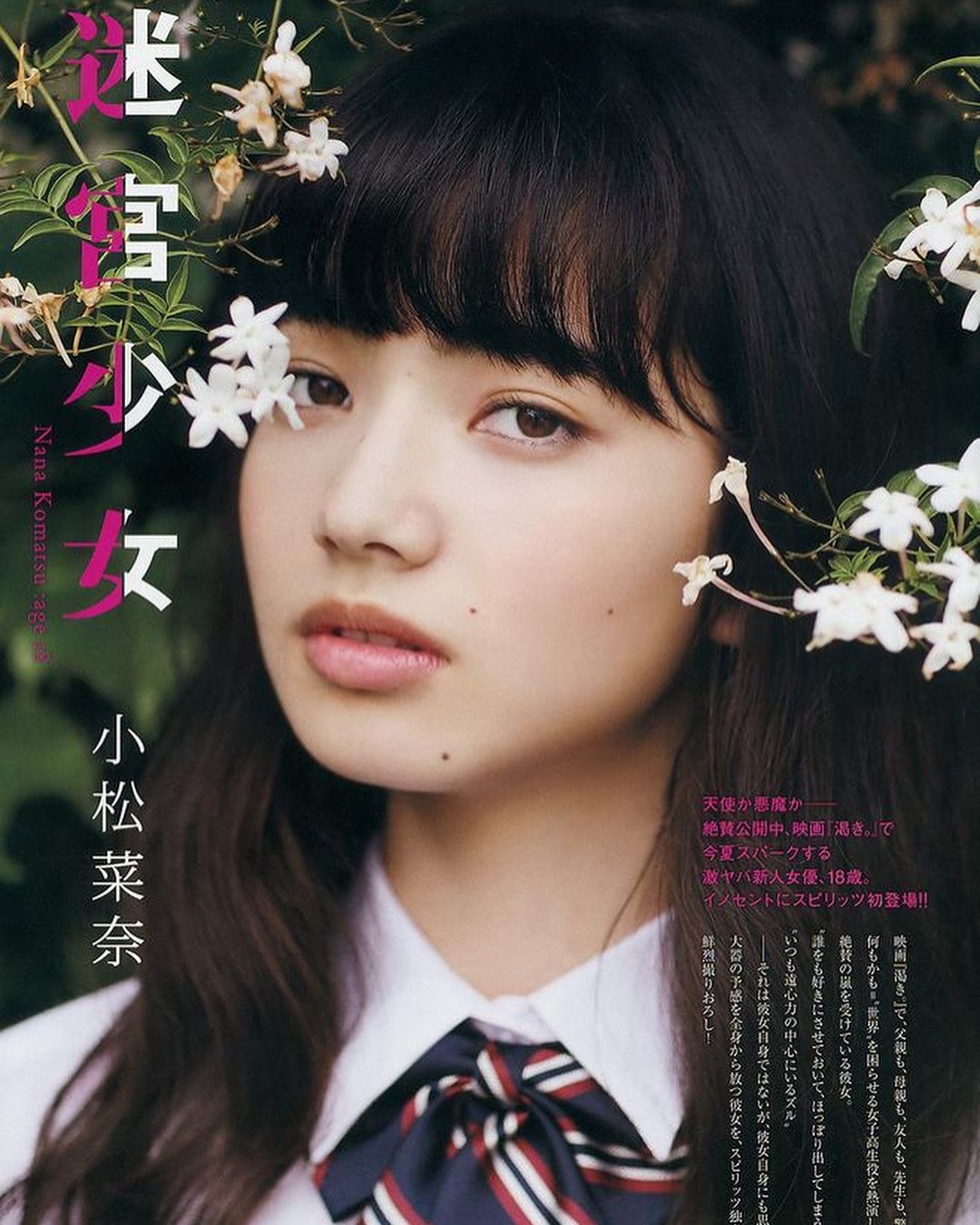
SATS: I made a Pinterest board of headshots of Japanese actresses. I wanted it to be clear and stylish- a solo shot with just my head and shoulders. I was marketing myself as a front woman/singer/flutist, so I took inspiration from that type of photo.



4. Recordings
If you are a musical act, people will want to know what your music sounds like. Your recordings don’t need to be made in a fancy studio, but they should be of decent quality.
Most likely, people won’t listen to a whole song (though I usually like to put up complete songs). It doesn’t need to be the final or definitive version of your song. Remember, this is just the packaging for your product. The most vital thing is to communicate the vibe and style of the music, not the exact song.
SATS: I made two arrangements, and made studio recordings. We started with a click and my piano version of the song as a framework. We multi-tracked the recording, so we were able to get a nice full band sound with just three of us.
I carefully selected my songs to showcase my abilities. One was instrumental- a funky version of Koujou no Tsuki, an old Japanese tune, to highlight my flute playing. I also chose an enka song, which is an older, nostalgic style of Japanese popular music, to demonstrate my singing.
I “officially” released the two songs as an album on all streaming platforms, which gives the act a sense of legitimacy.
5. Description
How do you want people to describe your music and performance? Use this space to put colorful words in their mouth. Are you electrifying, or soulful? Virtuosic, psychedelic, or easy-listening?
Focus more on the conceptual and emotional content of your music, and less on credentials and achievements. If you have impressive accolades, by all means, include them, but just as supportive evidence for the rest of your description.
Be sure to describe the act at the very beginning of the description. Again, many people won’t read the whole thing. Even better if you have a short phrase to encapsulate “What is it?”
SATS: Here’s my short description: Classic instrumental and popular music, featuring flutist and singer Satomi.
The first paragraph describes who I am, and the vibe of the music:
Originally from Hawai’i, the Japanese-American artist presents a compelling live performance of music from Japan and America. A sense of fond nostalgia permeates her selections, which include modern takes on music from Studio Ghibli films, J-pop, enka, jazz standards, and oldies.
The description continues with my achievements, but frankly, by this point, most bookers have already made their decision. Everything else just supports what I’ve already stated.
6. Website
Make a quick website. It’s best to have a “free-standing” website, not attached to Facebook or Instagram, or other platform.
It doesn’t need to be fancy- in fact, it’s better if it’s simple, since it’ll be easier for people to navigate.
You will want to pay for the domain to remove the “.wordpress.com” or “.wix.com,” but it’s not very expensive.
SATS: I have three websites- this one, the Pan-Tones, and Satomi and the sound, all hosted on wordpress.com.
7. List of venues, events, organizations to contact
Find organizations that are affiliated with the types of performances you want to do.
Make a spreadsheet of possible events and venues, and find the appropriate contact person and information.
SATS: In my research, I found a couple of Japanese bands and several taiko groups that were performing at festivals. I combed their social media feeds, compiling a spreadsheet of events, dates, and contact information.
I sent about fifty emails to different events and organizations that I knew had presented similar acts, or were representing Japanese culture. I sent my SATS description, video links, and website. I got a handful of responses, but only one came to fruition.
Additionally, I attended a couple of Japanese festivals in the fall, joined an Eisa (Okinawan folk dance) group, and started taking Japanese classes with a local Japanese society to brush up on my Japanese and get connected with the community.
8. Nice but not strictly necessary: videos
Videos are nice to have, especially if you have footage of live performance. The less the booker has to stretch their imagination to envision your successful performance at their event, the better.
Seeing your videos will give them an idea of what to expect, and that you have successfully completed similar performances.
SATS: I got live footage for Satomi and the sound by performing them at Pan-Tones shows.
I also made videos for the studio recordings using public domain footage from pexels.com.

 Alyse Hokamp